





Protein helps you feel full, supports muscles and keeps energy steady through the day. This 7-day high-protein meal plan uses simple, everyday foods like eggs, chicken, lentils, yogurt and beans, so you don’t need special powders or expensive products.
Many people want more protein in their meals to feel fuller. This plan uses everyday protein-rich foods. It is general inspiration, not personal dietary advice.
The weekly menu
| Day | Breakfast | Lunch | Dinner |
|---|---|---|---|
| Monday | Greek yogurt with nuts | Chicken salad | Salmon with rice and greens |
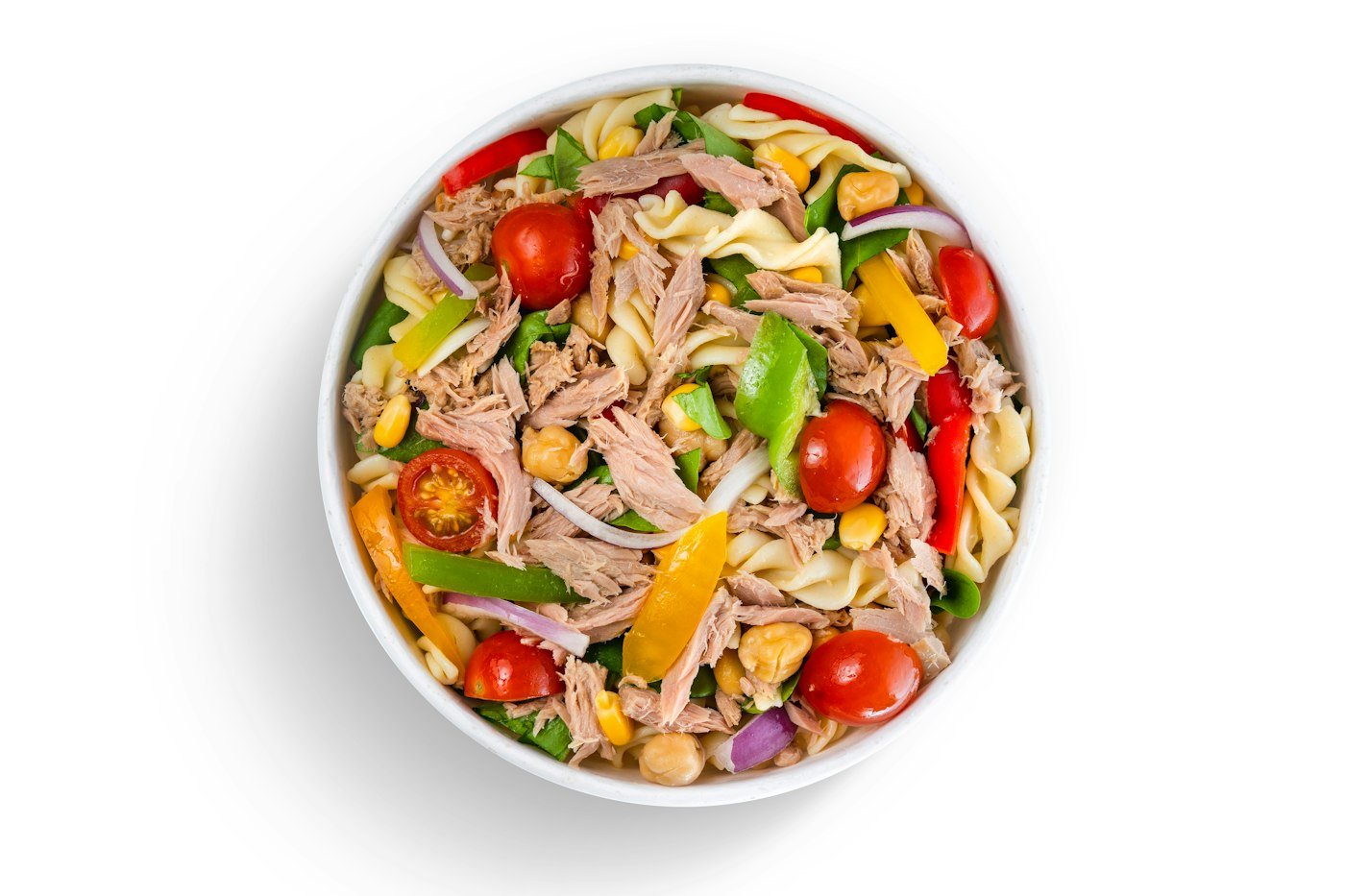
| Tuesday | Scrambled eggs | Tuna and bean salad | Turkey chilli |
| Wednesday | Protein oats with milk | Leftover chilli | Chicken stir-fry |
| Thursday | Cottage cheese and fruit | Egg wrap | Lentil curry |
| Friday | Omelette | Chicken soup | Grilled fish tacos |
| Saturday | Yogurt pancakes | Bean burrito | Steak or tofu with vegetables |
| Sunday | Eggs and beans | Leftover stir-fry | Roast chicken |
Protein-rich foods
- Eggs, chicken, fish and lean meat
- Greek yogurt and cottage cheese
- Beans, lentils, tofu and tempeh
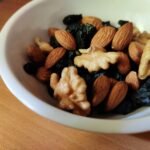
- Nuts and seeds
Frequently Asked Questions
How much protein do I need?
Needs vary by age, size and activity. A doctor or dietitian can advise you.
Can vegetarians eat high-protein?
Yes, with beans, lentils, tofu, eggs and dairy.
Why Protein Matters
Protein is used to build and repair muscles, skin and other tissues. Including some protein at every meal can help you stay satisfied for longer, which may reduce snacking. Active people and older adults often benefit from paying attention to protein.
Best Everyday Protein Foods
- Eggs: cheap, quick and versatile.
- Chicken and fish: lean options for lunches and dinners.
- Lentils, chickpeas and beans: affordable plant proteins with fibre.
- Greek or plain yogurt: great for breakfasts and snacks.
- Paneer, cottage cheese and milk.
- Nuts, seeds and peanut butter.
How to Add Protein to Each Meal
- Breakfast: eggs on toast or yogurt with oats and seeds.
- Lunch: chicken or chickpea salad, egg wraps or leftover curry.
- Dinner: grilled chicken, fish or daal with rice and vegetables.
- Snacks: boiled eggs, roasted chana, a handful of nuts.
Prep Tips
- Grill or bake a tray of chicken for several meals.
- Boil a batch of eggs at the start of the week.
- Cook a big pot of lentils or beans.
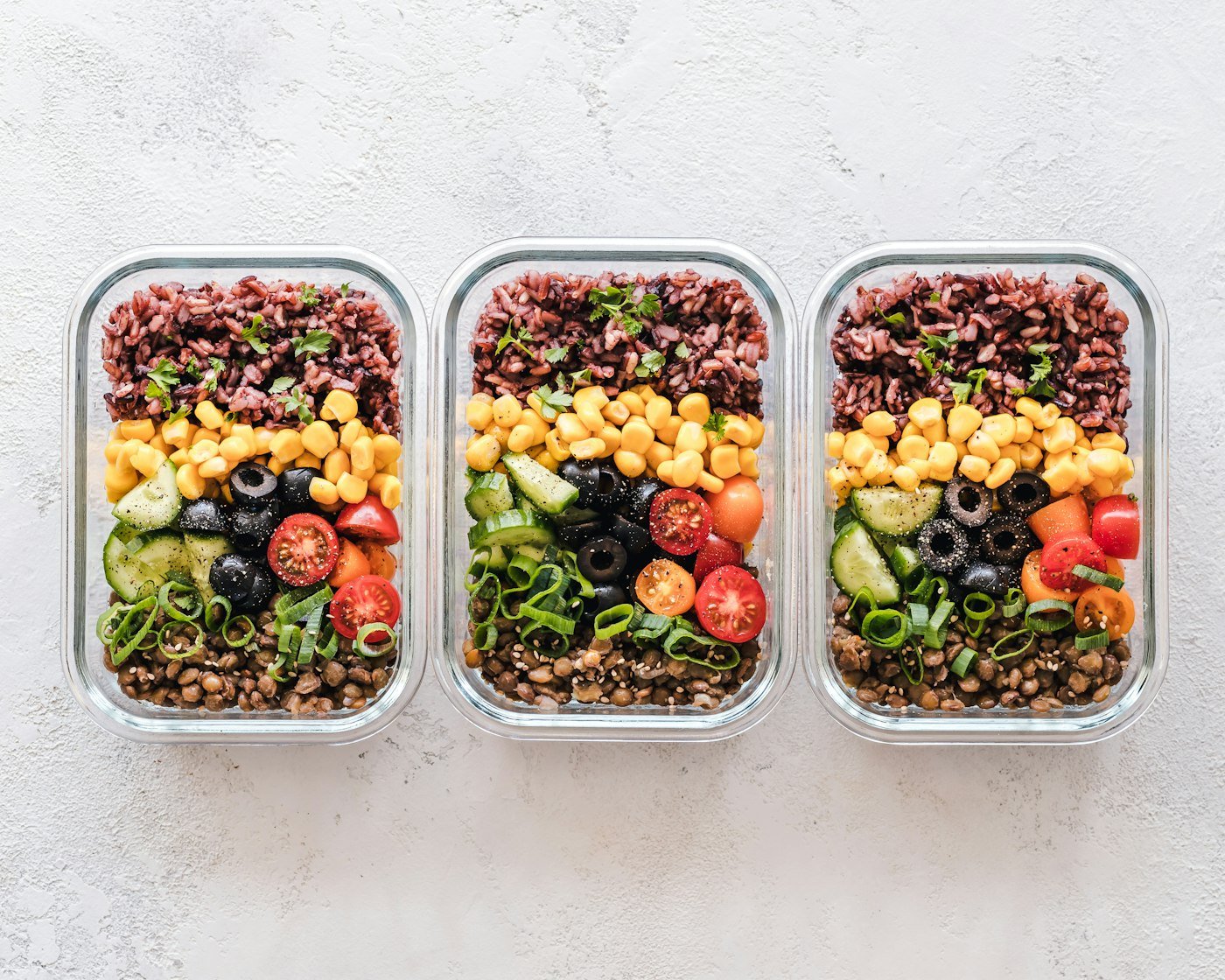
- Portion yogurt with fruit into containers.
Keep It Balanced
A high-protein plan should still include plenty of vegetables, fruit, whole grains and water. Anyone with kidney problems or other medical conditions should talk to a doctor before changing their diet.
High-Protein Week at a Glance
| Breakfasts | Eggs, yogurt bowls, protein oats |
| Lunches | Chicken wraps, chickpea salad, tuna pasta |
| Dinners | Grilled chicken, daal, fish, bean chilli |
| Snacks | Boiled eggs, nuts, roasted chana |
| Prep focus | Batch-cook chicken, eggs and lentils |
Frequently Asked Questions
Do I need protein shakes?
No. Most people can meet their needs with regular food.
Is plant protein enough?
Yes, combining beans, lentils, grains, nuts and dairy can provide plenty.
How much protein do I need?
Needs vary with age, weight and activity. A health professional can advise.
Is high protein good for weight loss?
Protein can help you feel full, but overall balance matters most.
Final Thoughts
A high-protein week doesn’t have to be complicated or expensive. Simple foods, a little prep and balanced plates will keep you full and energised.